Python coding games are effective because Python is readable enough for beginners and powerful enough for real logic. A game gives each loop, condition and function a visible reason to exist.
## Why Python works well in games
Python is forgiving without being fake. A beginner can read an if statement, a loop or a function and understand the shape of the idea. In a game, that idea becomes action: a hero attacks, a drone harvests, a bot chooses a move, or a puzzle solution returns the right value.
The strongest Python coding games do not only teach syntax. They teach decisions. What should the program do when health is low? Which target should a bot choose? When should a farm drone harvest, plant or move? That decision loop is where programming becomes real.
## Best Python coding games
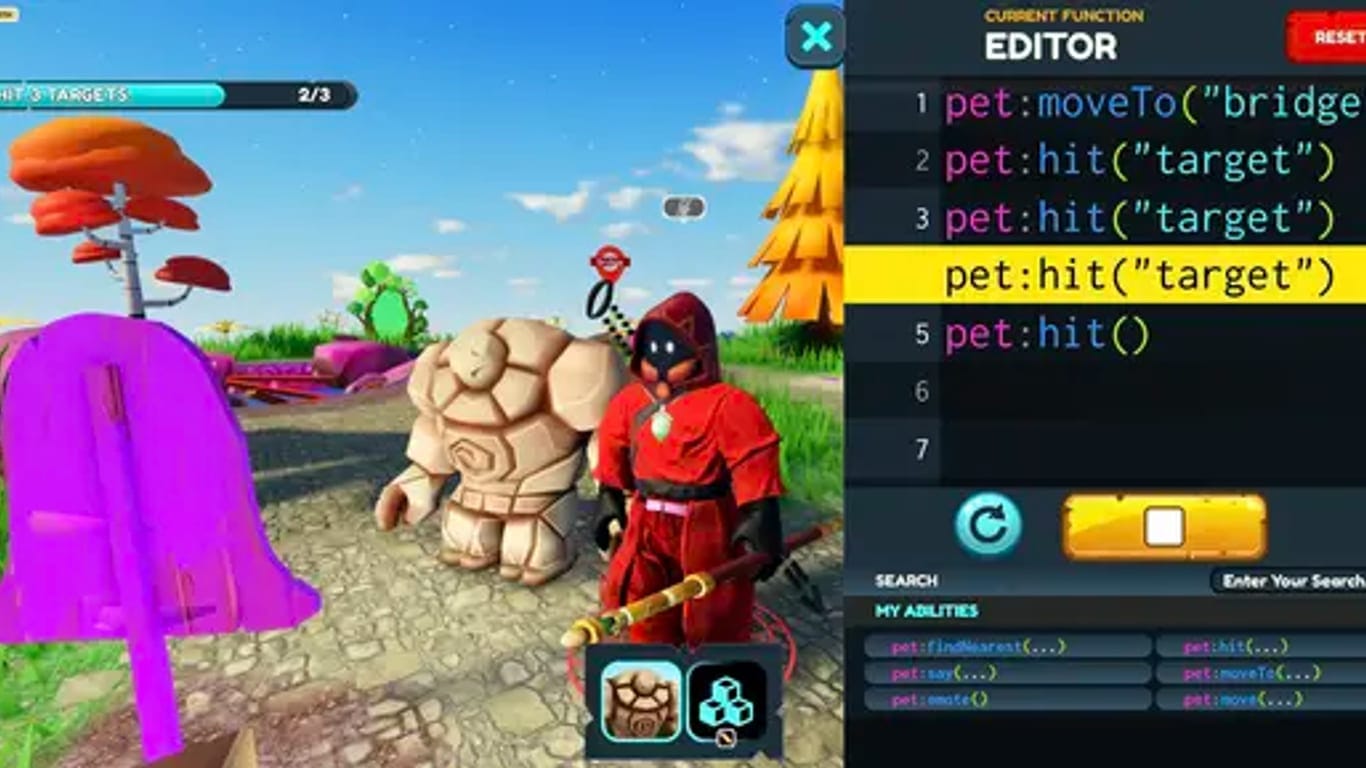
Learn Python or JavaScript by playing a top-down RPG where every move is a line of code you write.
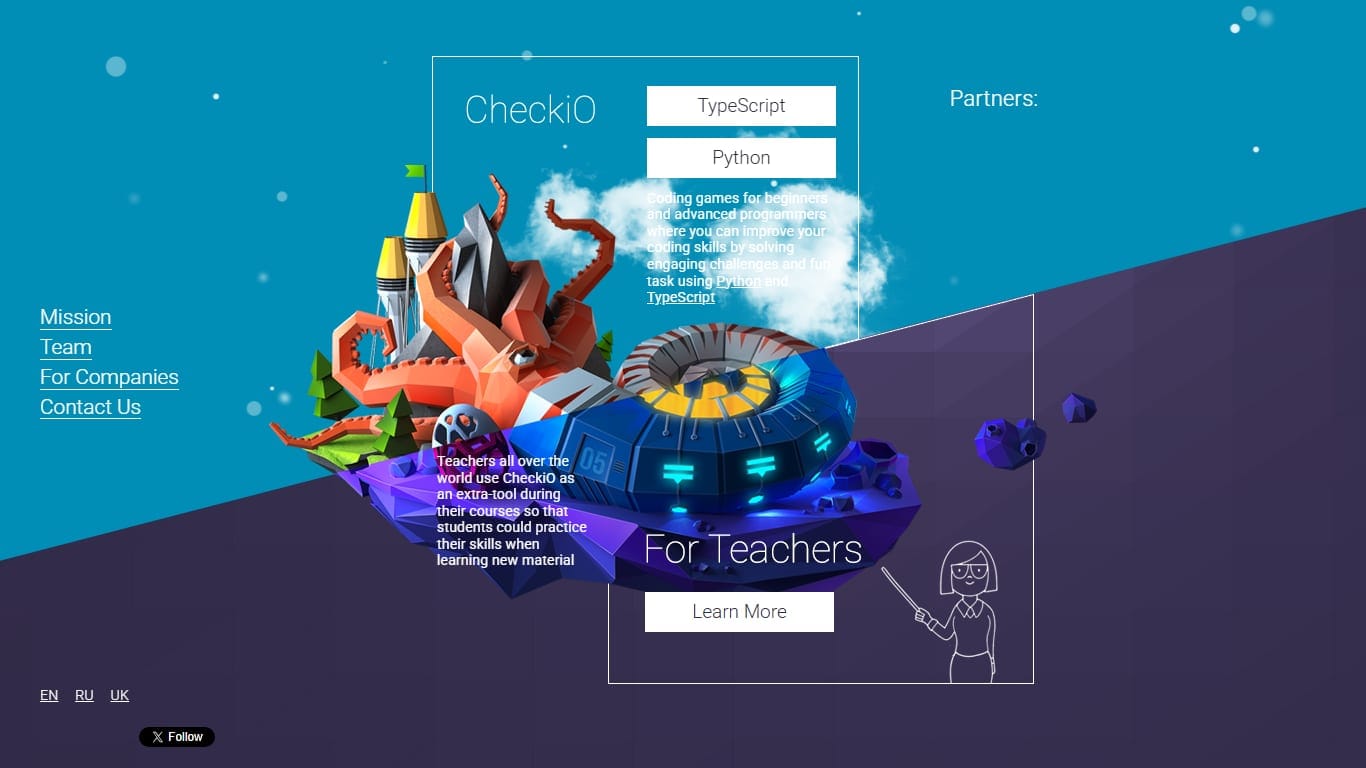
Level up Python and JavaScript by solving puzzles, then read everyone else’s solutions to the same problem. Learn by comparing.
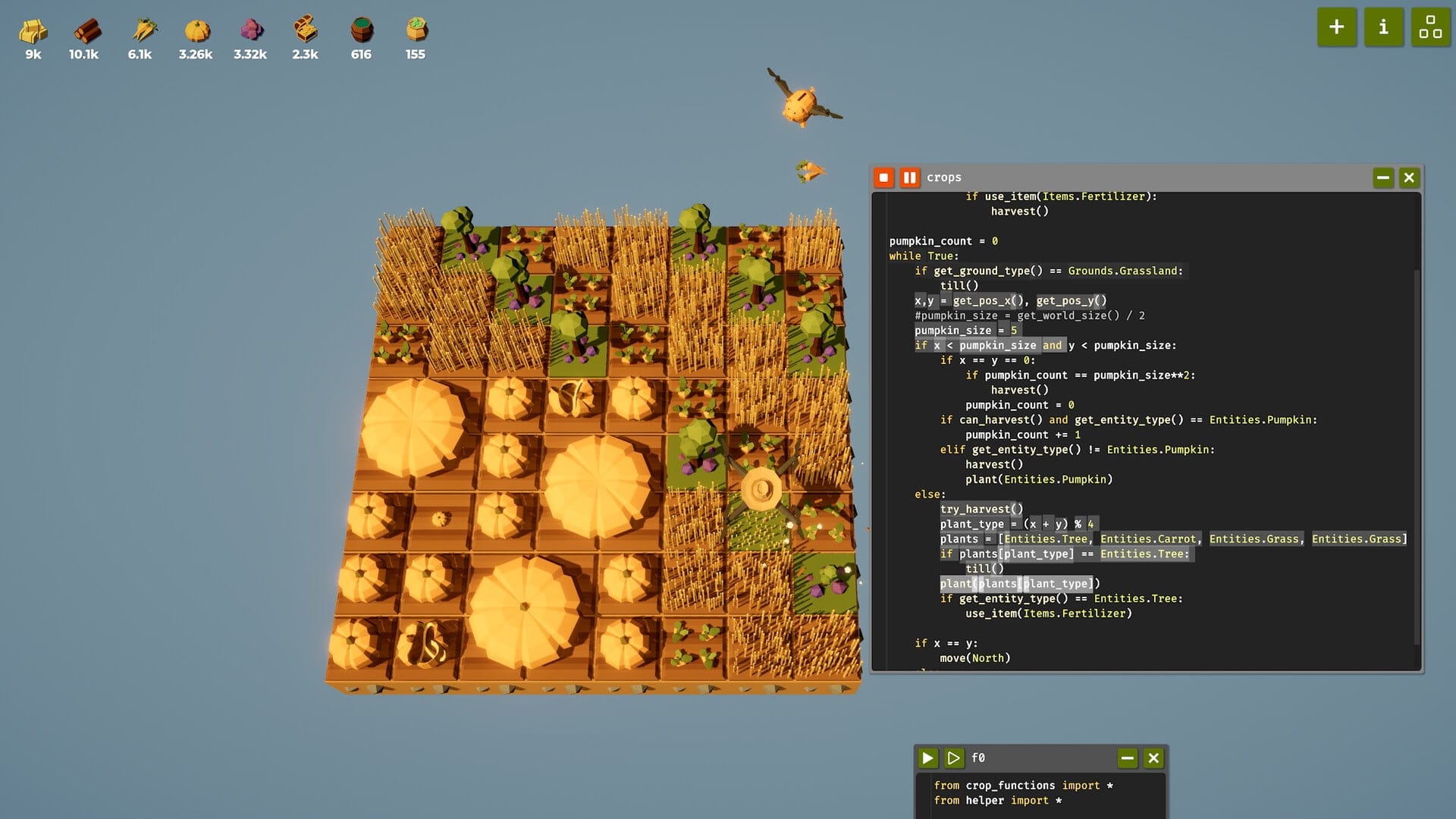
Program a drone to automate an entire farm. Plant, harvest, optimise — then watch your code outgrow you.
Solve puzzles and fight other players’ bots in real-time arenas. Write in 25+ languages and watch your code play out as an animated game.
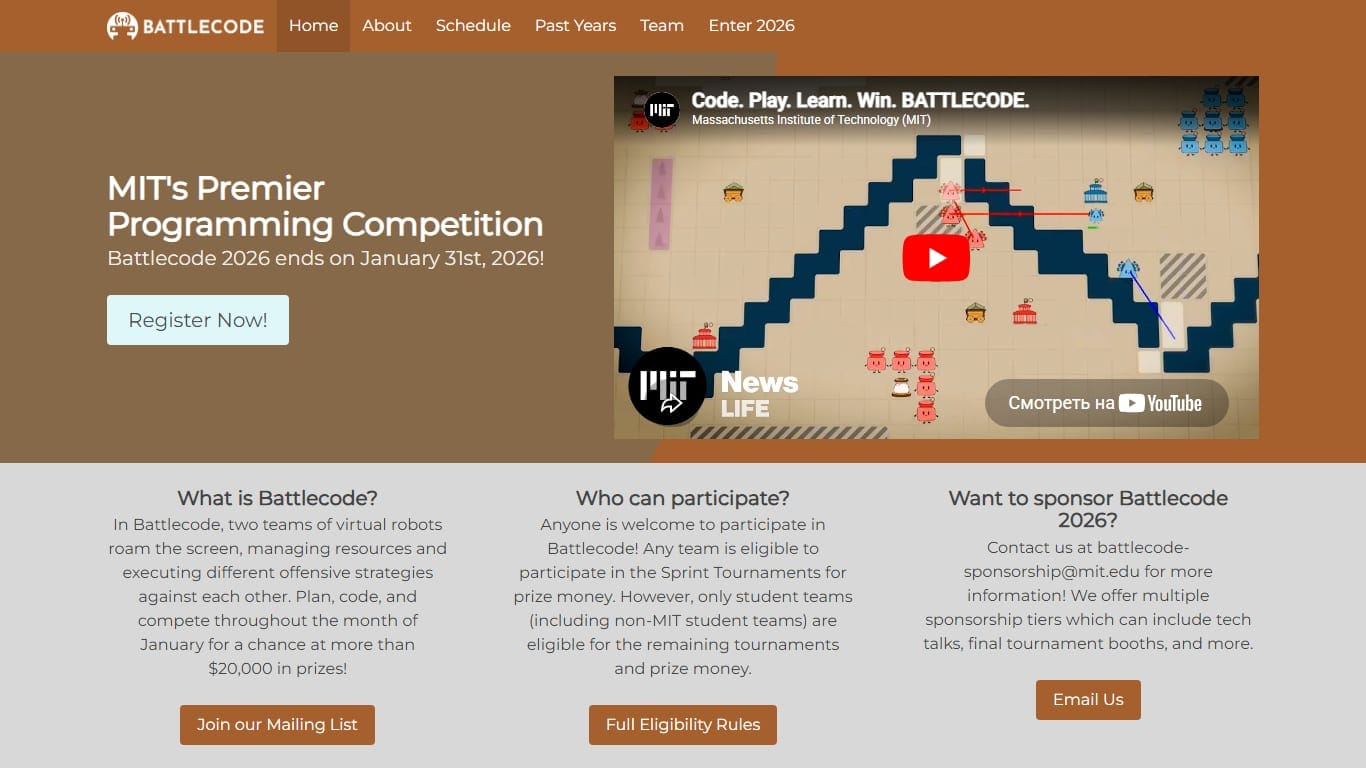
MIT’s annual AI programming competition. Command an army of bots with distributed strategy and battle other teams for the title.
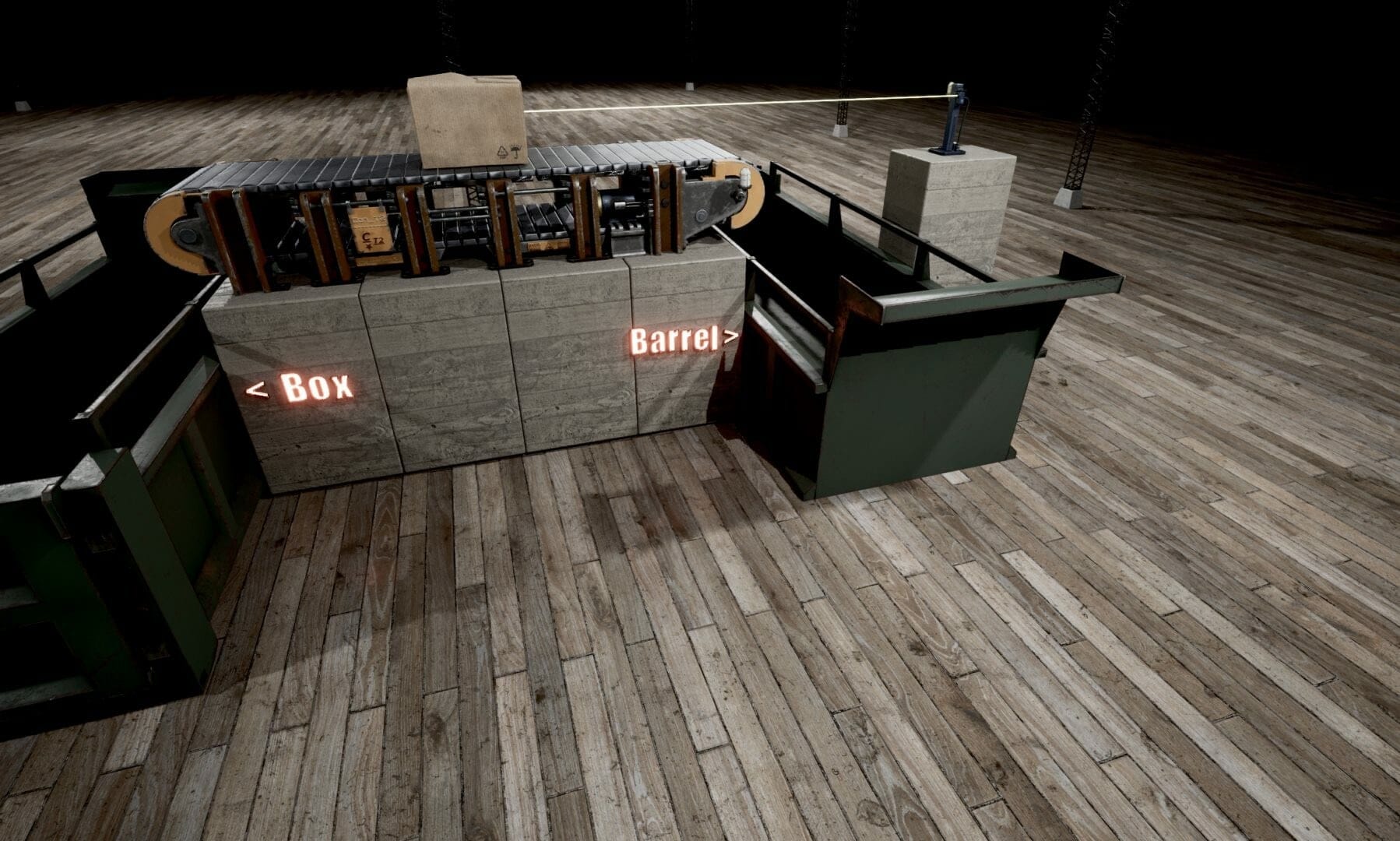
Write real Python to control robots, drones and machines in a physics-driven engineering sandbox.
CodeCombat is the best first stop if you want Python commands to control a visible character. CheckiO is better for focused puzzle practice once variables and functions make sense. The Farmer Was Replaced is excellent for automation because the farm gives your code a living process to improve. CodinGame and Battlecode are stronger when you want competition and algorithmic pressure.
## A Python game learning path
- →Start with CodeCombat to connect syntax to action.
- →Use CheckiO to practice functions and small problems.
- →Move to The Farmer Was Replaced when loops and conditions feel comfortable.
- →Try CodinGame for algorithms and bot contests.
- →Try JOY OF PROGRAMMING when you want a more ambitious simulation-style challenge.
This order works because it slowly removes support. CodeCombat gives a strong visual frame. CheckiO asks you to solve cleaner problems. The Farmer Was Replaced makes you automate a growing system. Competitive games then expose whether your logic handles edge cases.
## The mindset to practice
while True:
    if danger_nearby():
        retreat()
    elif can_collect_resource():
        collect_resource()
    else:
        explore_next_tile()
This simple pattern appears everywhere: inspect state, choose an action, repeat. Once you recognize it, Python games stop being isolated lessons and start becoming practice in modeling behavior.
As you improve, make the decisions smaller and the names clearer. Instead of one huge block of code that handles every situation, write functions such as choose_target, should_retreat and next_farm_tile. That habit transfers directly into normal Python work because readable functions are easier to test, debug and reuse.
Python games also teach a healthy respect for edge cases. A bot that works on the first level may fail when an enemy is missing, a list is empty or two resources are equally close. Those failures are valuable. They push you toward defensive checks, simple data structures and better mental models of state. That is exactly the kind of practice beginners rarely get from copy-and-paste lessons.